Wilkin County
Wilkin County has 6,371 residents across 6 ZIP codes with their own report. Median household income is $71,410, 20% below the Minnesota figure. The typical owner-occupied home is valued at $182,200, and 23% of adults 25 and over hold a bachelor’s degree or higher.
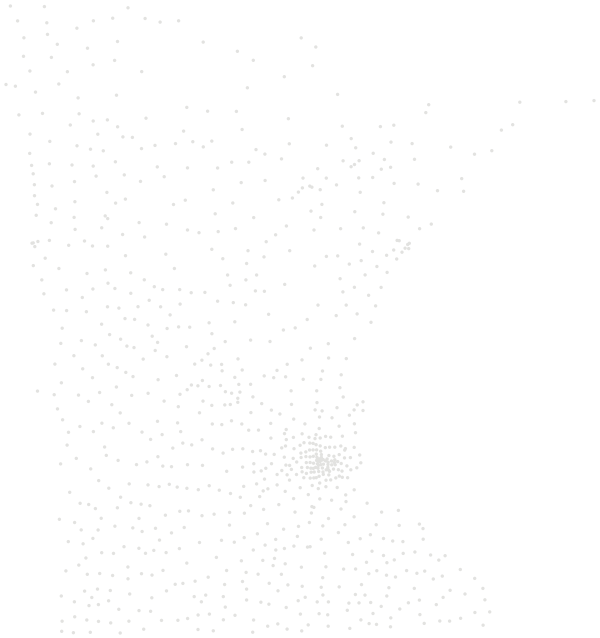

Sources: U.S. Census Bureau, American Community Survey 2020–2024 5-year estimates · U.S. Census Bureau, 2024 Gazetteer and 2020 ZCTA relationship files
All 6 ZIP codes.
Colour shows where each zip code sits among the others in the table, from lowest to highest.
| ZIP code | Residents | Household income | Home value | Owners | Bachelor's+ | Broadband | Commute |
|---|---|---|---|---|---|---|---|
| 56520 | 3,852 | $65K | $167K | 73% | 22% | 84% | 19 min |
| 56522 | 604 | $82K | $163K | 88% | 22% | 83% | 28 min |
| 56543 | 222 | $90K | $180K | 93% | 10% | 80% | 22 min |
| 56553 | 261 | $67K | $119K | 99% | 17% | 69% | 28 min |
| 56579 | 1,050 | $90K | $236K | 92% | 28% | 92% | 29 min |
| 56594 | 442 | $96K | $219K | 87% | 27% | 90% | 34 min |
Source: U.S. Census Bureau, American Community Survey 2020–2024 5-year estimates
People.
6,371 residents in 2,655 households, next to the Minnesota figure.
Source: U.S. Census Bureau, American Community Survey 2020–2024 5-year estimates
Homes.
2,983 housing units; the median owner-occupied home is valued at $182,200 (±$24,442).
When homes were built
Source: U.S. Census Bureau, American Community Survey 2020–2024 5-year estimates
Income and work.
Household income and work, in 2024 dollars; median household income ±$4,499.
The poverty rate uses the federal poverty thresholds, which vary with family size. It says nothing on its own about what a neighborhood is like to live in.
Source: U.S. Census Bureau, American Community Survey 2020–2024 5-year estimates
Getting around.
How workers aged 16 and over get to work, and how long it takes.
Source: U.S. Census Bureau, American Community Survey 2020–2024 5-year estimates
Internet.
Home internet subscriptions.
American Community Survey figures are estimates from a rolling sample, averaged over 2020–2024. Each comes with a margin of error, which is wider in places with fewer people.
Source: U.S. Census Bureau, American Community Survey 2020–2024 5-year estimates