Ward County
Ward County has 11,144 residents across 5 ZIP codes with their own report. Median household income is $65,952, 16% below the Texas figure. The typical owner-occupied home is valued at $150,700, and 12% of adults 25 and over hold a bachelor’s degree or higher.
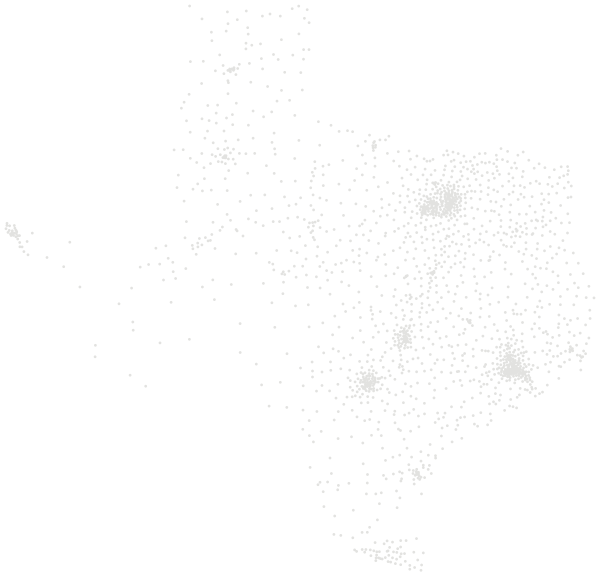

Sources: U.S. Census Bureau, American Community Survey 2020–2024 5-year estimates · U.S. Census Bureau, 2024 Gazetteer and 2020 ZCTA relationship files
All 5 ZIP codes.
Colour shows where each zip code sits among the others in the table, from lowest to highest.
| ZIP code | Residents | Household income | Home value | Owners | Bachelor's+ | Broadband | Commute |
|---|---|---|---|---|---|---|---|
| 79719 | 198 | $-666667K | $181K | 95% | 2% | 58% | 30 min |
| 79742 | 620 | $69K | $-666667K | 86% | 19% | 93% | 29 min |
| 79756 | 9,485 | $67K | $161K | 77% | 12% | 90% | 23 min |
| 79777 | 116 | $-666667K | $257K | 76% | 33% | 74% | 66 min |
| 79788 | 699 | $57K | $85K | 93% | 8% | 86% | 21 min |
Source: U.S. Census Bureau, American Community Survey 2020–2024 5-year estimates
People.
11,144 residents in 4,388 households, next to the Texas figure.
Source: U.S. Census Bureau, American Community Survey 2020–2024 5-year estimates
Homes.
5,165 housing units; the median owner-occupied home is valued at $150,700 (±$21,680).
When homes were built
Source: U.S. Census Bureau, American Community Survey 2020–2024 5-year estimates
Income and work.
Household income and work, in 2024 dollars; median household income ±$17,987.
The poverty rate uses the federal poverty thresholds, which vary with family size. It says nothing on its own about what a neighborhood is like to live in.
Source: U.S. Census Bureau, American Community Survey 2020–2024 5-year estimates
Getting around.
How workers aged 16 and over get to work, and how long it takes.
Source: U.S. Census Bureau, American Community Survey 2020–2024 5-year estimates
Internet.
Home internet subscriptions.
American Community Survey figures are estimates from a rolling sample, averaged over 2020–2024. Each comes with a margin of error, which is wider in places with fewer people.
Source: U.S. Census Bureau, American Community Survey 2020–2024 5-year estimates